THE HOLE THING
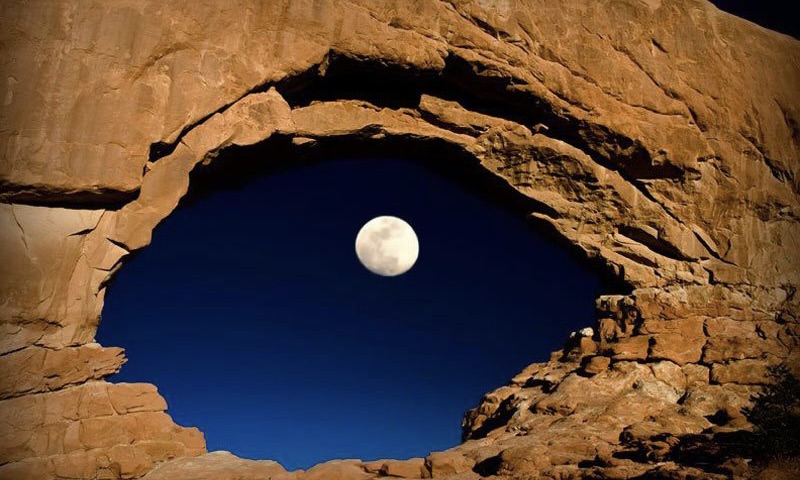
This may be a bit obvious as far as wordplay goes, but I’m thinking about “whole” and “holes” this week. The Whole Thing and the The Hole Thing. At first, they seem almost like utter opposites. The former means intact and complete, while the latter suggests that something is missing, an empty space.
Etymologically, the words are unrelated; the fact that they ended up in modern English sounding the same and sharing most of the same letters is just a coincidence.
Even so, I think it’s a nifty synchronicity. And I like trying to puzzle my mind around it.
I know that I spend a lot of time looking for holes, for gaps — what’s missing in my life, missing in the world. I think most of us do this. We’re predisposed to notice absence and lack. I don’t know if this is a modern effect of capitalism and marketing, or if it’s a vestigial part of our squirrelly brains that has us constantly worried about the scarcity of nuts.
Either way, it’s fairly easy to find (or, rather, not find) everything that’s missing. Our open wounds and the world’s wounds. Holes of brokenness, insufficiency, unfairness, dysfunction, poverty, limitation. Every negative comparison between ourselves and each other, between how things are and how it seems they ought to be.
This isn’t all entirely bad. A hole may appear as a call for attention or action, alerting us to something that needs to be transformed, something that might be healed. I think sometimes part of the reason we’re on the lookout for such holes is because we perceive them as opportunities. We hope that we are what’s missing, that what we have to offer might be just the thing to fill the hole — Spirit moving through me and as me.
Hafiz wrote, “I am a hole in a flute that the Christ’s breath moves through. Listen to this music. I am the concert from the mouth of every creature, singing with the myriad chords.”
The problem is that if we’re looking out constantly for what’s missing, wrong, and unworkable — no matter why we’re doing this — it becomes a habit. As we seek, so shall we find again and again our own and the world’s incompleteness everywhere. Even if the search occasionally yields up short-term fixes for our craving to be needed, it won’t ever satisfy our soul’s deeper yearning, which is to experience the whole rather than the hole, to know ourselves and the world and everything in it as complete and perfect unto itself right now.
There are a few sweet spiritual practices for us in this:
- To look not just for insufficiency but for fullness. To be called not just by dysfunction but by excellence. Maybe we can allow our next right steps to be not just about what’s missing but about what’s already present and powerful and poised for expression.
- And also, to consider the ways in which the gaps and cracks and lack we perceive may be space for others and all of us (not just ourselves) to show up. Gaps in understanding that allow for new insight. Cracks in our defensive walls that open to deeper connection. Lack that invites more receiving and sharing and flow. If our very lives are like holes in a flute, as Hafiz says, through which breath moves and music plays, then the hole is necessary for the Whole to sing.
I can’t wait to see you this Sunday at 10:00am, at q-Staff Theater. With the divine Patty Stephens. XO, Drew
©2026 Drew Groves